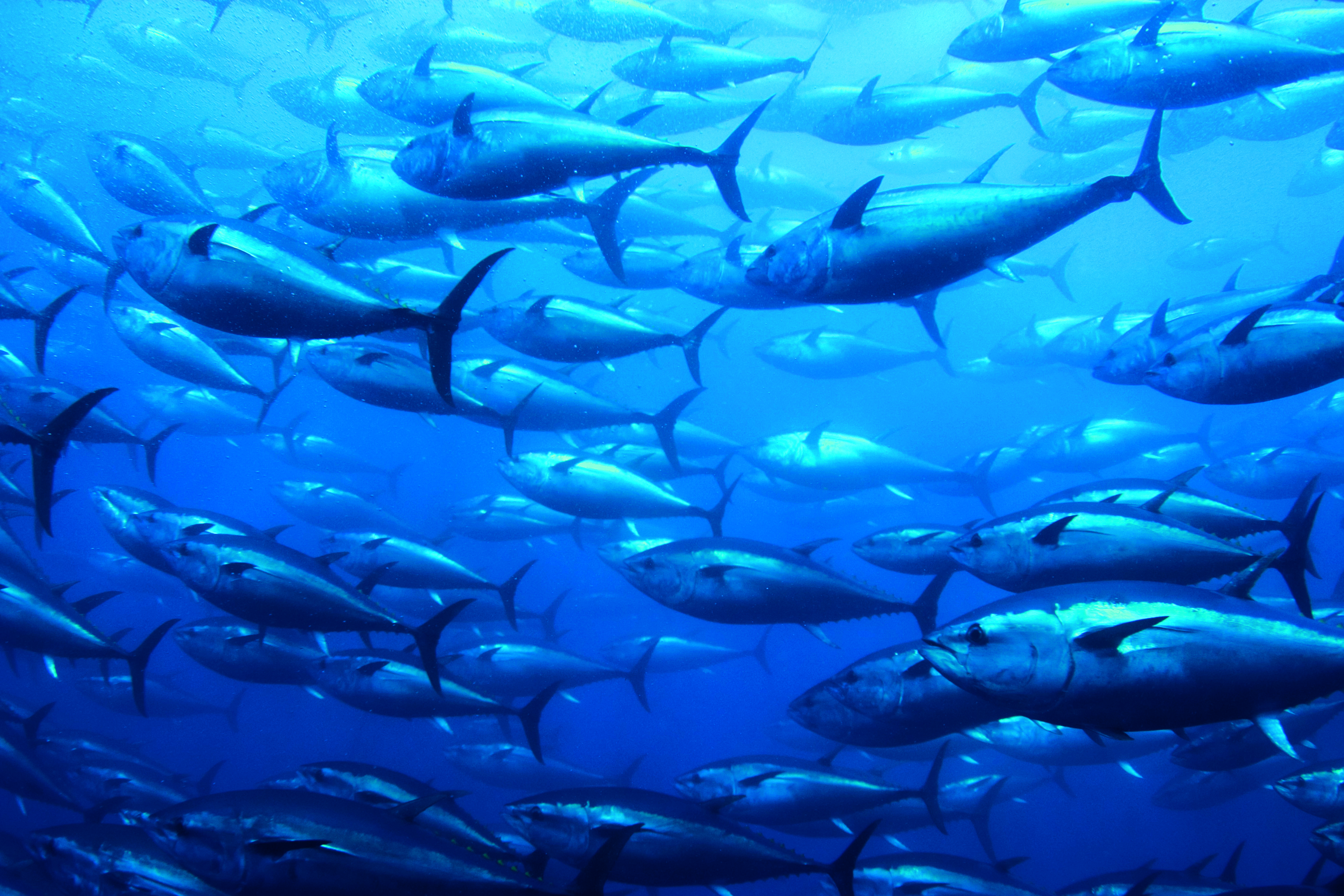
Dardanel Raises Awareness of Sustainable Fishing on World Oceans Day
Oceans, which absorb carbon dioxide in the atmosphere and produce 70% of the oxygen we breathe, are of critical importance for the healthy sustainability of life on Earth. Therefore, international organizations, companies, and foundations are conducting efforts to protect the oceans, which are facing serious problems such as deep-sea mining, pollution, decline in species, and acidification.
Since 1984, Dardanel has been bringing tuna fish grown in the pristine waters of the Indian and Atlantic Oceans to tables, emphasizing the importance of the impact of its production processes on the environment as a responsible brand. In this context, Dardanel, which has environmentally friendly certifications, has been carrying the Dolphin Safe symbol on its packaging since 1994. This international symbol represents fishing that does not harm dolphins. The Yellowfin and Skipjack tuna used in Dardanel Tuna products do not contain mercury because they are young fish weighing between 1.5 and 5 kilograms.
Check Your Fish to See Where It Comes From
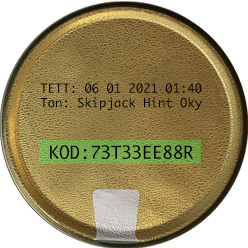
Advocating for sustainable fishing, Dardanel has been a voluntary member of Friend of the Sea (FOS) since 2013. With the FOS certification for sustainable sea products, the brand offers Turkey's only dolphin-friendly tuna respecting marine species. Giving great importance to the preservation of natural life in the oceans, Dardanel has been sharing with consumers since 2017 through the Fish Check system where and with which ship the fish was caught. To see where your fish comes from, all you need to do is enter the code on the Dardanel Tuna packaging into the relevant field on Dardanel.com.tr.
'We are taking concrete steps towards sustainability'
Yüce Kaner Atalay, Director of Marketing and Corporate Communication at Dardanel, emphasizes the importance of sustainability on World Oceans Day: "Responsible production-consumption and the preservation of marine life are issues that we must address responsibly for the future of our world. At Dardanel, we not only focus on growth but also aim to create an inclusive and sustainable economy. In this context, we take the United Nations' 17 Sustainable Development Goals as our guide. We apply high standards in many areas, from the fishing stage of tuna to material selection and recycling processes. We are taking concrete steps to reduce potential risks in terms of sustainability."
Since 1984, Dardanel has been bringing tuna fish grown in the pristine waters of the Indian and Atlantic Oceans to tables, emphasizing the importance of the impact of its production processes on the environment as a responsible brand. In this context, Dardanel, which has environmentally friendly certifications, has been carrying the Dolphin Safe symbol on its packaging since 1994. This international symbol represents fishing that does not harm dolphins. The Yellowfin and Skipjack tuna used in Dardanel Tuna products do not contain mercury because they are young fish weighing between 1.5 and 5 kilograms.
Check Your Fish to See Where It Comes From
Advocating for sustainable fishing, Dardanel has been a voluntary member of Friend of the Sea (FOS) since 2013. With the FOS certification for sustainable sea products, the brand offers Turkey's only dolphin-friendly tuna respecting marine species. Giving great importance to the preservation of natural life in the oceans, Dardanel has been sharing with consumers since 2017 through the Fish Check system where and with which ship the fish was caught. To see where your fish comes from, all you need to do is enter the code on the Dardanel Tuna packaging into the relevant field on Dardanel.com.tr.
'We are taking concrete steps towards sustainability'
Yüce Kaner Atalay, Director of Marketing and Corporate Communication at Dardanel, emphasizes the importance of sustainability on World Oceans Day: "Responsible production-consumption and the preservation of marine life are issues that we must address responsibly for the future of our world. At Dardanel, we not only focus on growth but also aim to create an inclusive and sustainable economy. In this context, we take the United Nations' 17 Sustainable Development Goals as our guide. We apply high standards in many areas, from the fishing stage of tuna to material selection and recycling processes. We are taking concrete steps to reduce potential risks in terms of sustainability."
 " width="248" height="244" alt="Dardanel"/>