Çanakkale Üniversitesi tarafından yetiştirilen 300 yavru ıstakoz Dardanel iş birliği ile denizle buluştu
Turkey's fish and seafood expert, Dardanel, collaborated with Çanakkale Onsekiz Mart University (ÇOMÜ) Faculty of Marine Sciences and Technology to develop a project aimed at drawing attention to the decreasing fishing resources in the country and emphasizing that these resources can be supported through aquaculture.
Within the project, a study was conducted to increase the population of the native lobster species known as the European lobster (Homarus Gammarus), which is also found in Turkish waters. The study took inspiration from a successful model in the UK, where this lobster species is bred through aquaculture and released into its natural habitat to sustainably support the lobster population in the wild.
At the Marine Life Research and Application Center of the Faculty of Marine Sciences and Technology at ÇOMÜ Dardanos Campus, a team led by Prof. Dr. Umur Önal raised hundreds of lobster fry from the larval stage in special pools.
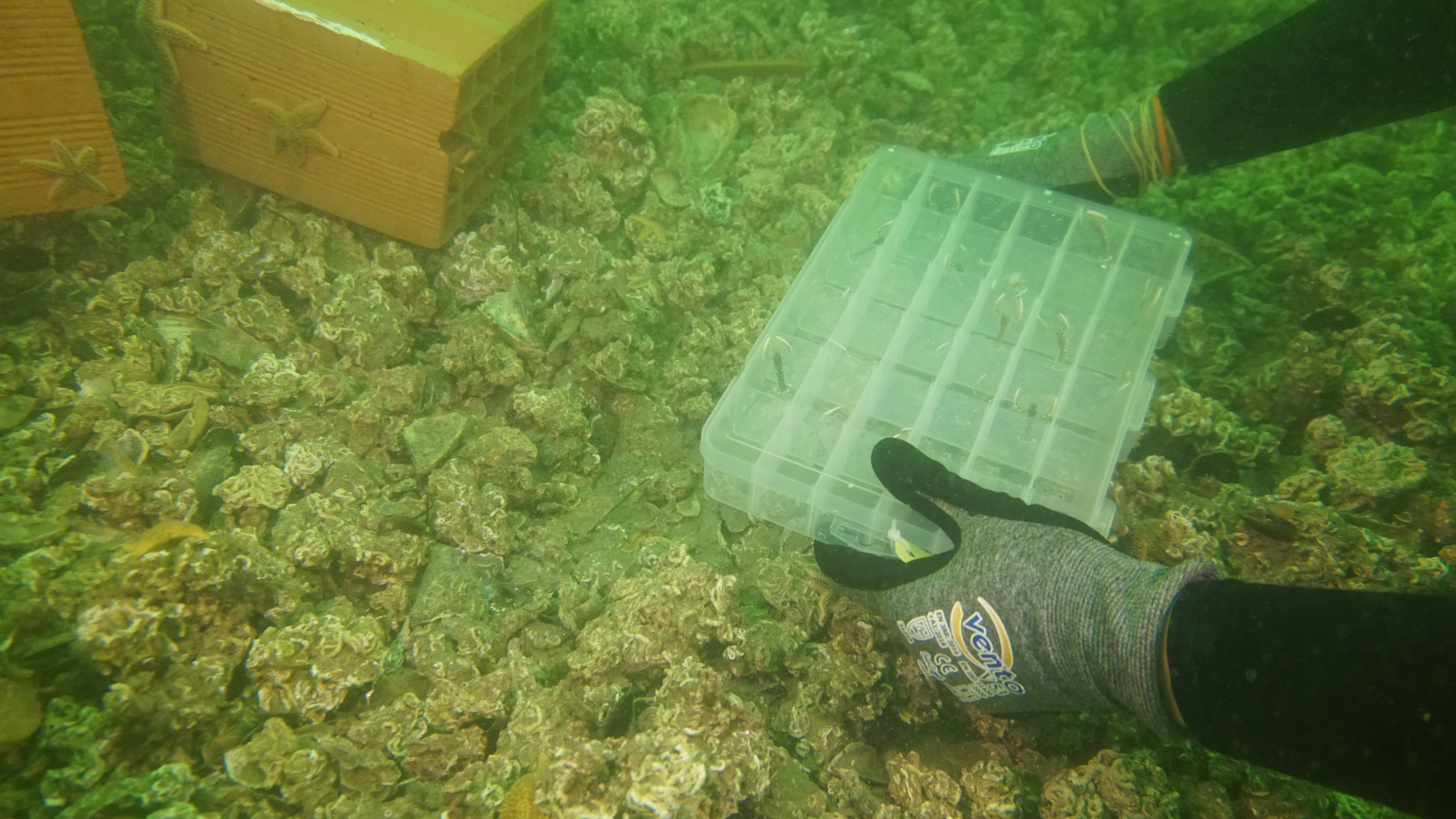
Artificial reefs were created under the mussel farm
To release the lobsters into the sea once they reached the suitable size, the "Do Good, Throw It into the Sea" event was organized in the Çanakkale Strait. The lobsters, cultivated for the first time in Turkey, were released into special reefs created by Dardanel under the mussel farm in Gelibolu.
With the participation of Dardanel Chairman of the Board Niyazi Önen and Çanakkale Onsekiz Mart University Rector Prof. Dr. Sedat Murat, 300 lobster fry met the sea during the release process.
This pilot study represents the first step in increasing the numbers of lobsters that used to be abundant in the Çanakkale Strait and currently inhabit Turkish waters. The goal is to release more lobster fry into the sea in the coming years and increase the survival rates of lobsters in the wild with the contribution of artificial reefs created under Dardanel Mussel Farm. This way, lobsters can continue their lives under the protection of Dardanel without being exposed to fishing pressure.
Within the project, a study was conducted to increase the population of the native lobster species known as the European lobster (Homarus Gammarus), which is also found in Turkish waters. The study took inspiration from a successful model in the UK, where this lobster species is bred through aquaculture and released into its natural habitat to sustainably support the lobster population in the wild.
At the Marine Life Research and Application Center of the Faculty of Marine Sciences and Technology at ÇOMÜ Dardanos Campus, a team led by Prof. Dr. Umur Önal raised hundreds of lobster fry from the larval stage in special pools.
Artificial reefs were created under the mussel farm
To release the lobsters into the sea once they reached the suitable size, the "Do Good, Throw It into the Sea" event was organized in the Çanakkale Strait. The lobsters, cultivated for the first time in Turkey, were released into special reefs created by Dardanel under the mussel farm in Gelibolu.
With the participation of Dardanel Chairman of the Board Niyazi Önen and Çanakkale Onsekiz Mart University Rector Prof. Dr. Sedat Murat, 300 lobster fry met the sea during the release process.
This pilot study represents the first step in increasing the numbers of lobsters that used to be abundant in the Çanakkale Strait and currently inhabit Turkish waters. The goal is to release more lobster fry into the sea in the coming years and increase the survival rates of lobsters in the wild with the contribution of artificial reefs created under Dardanel Mussel Farm. This way, lobsters can continue their lives under the protection of Dardanel without being exposed to fishing pressure.
 " width="248" height="244" alt="Dardanel"/>